
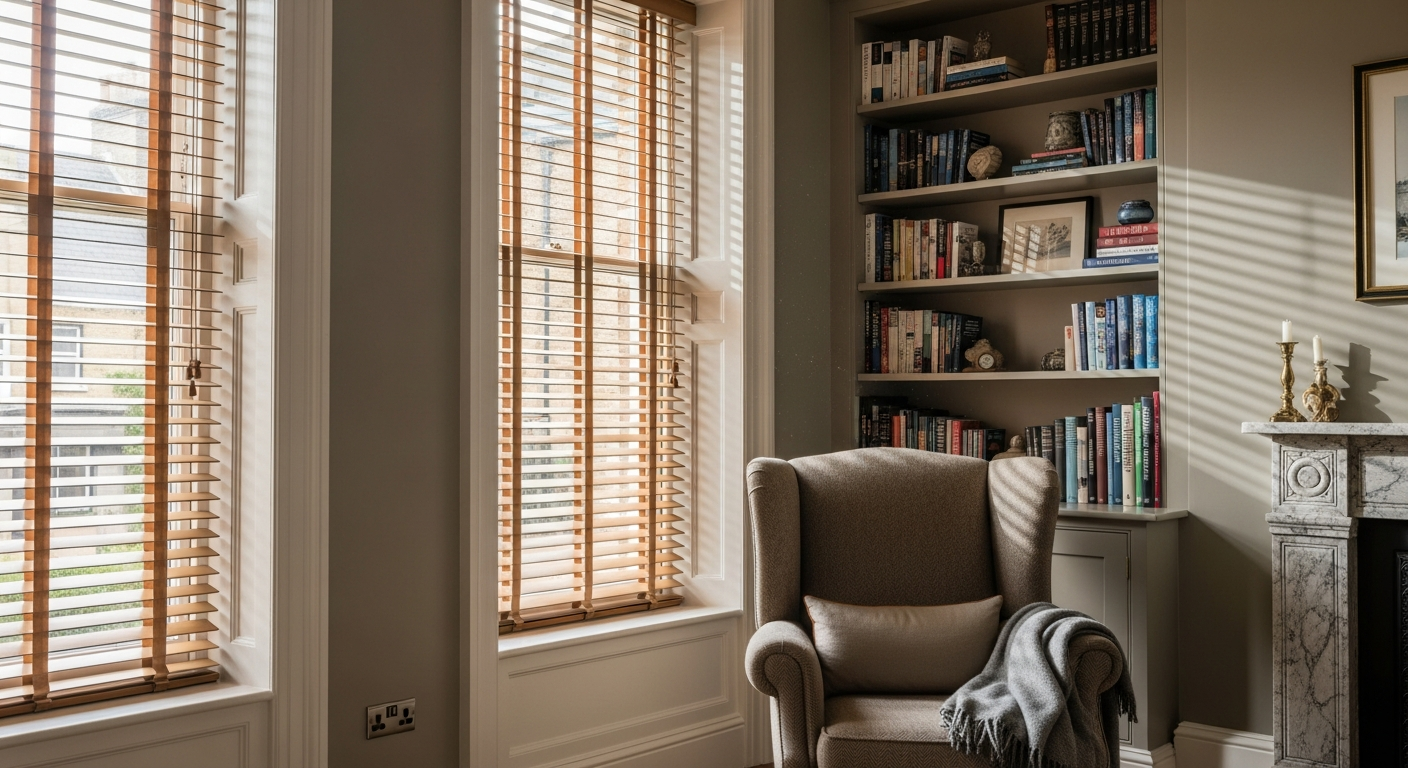
A blind that never goes out of fashion
Venetian blinds have been around a long time, centuries, in fact. The basic idea of tilting horizontal slats to control light and privacy hasn’t changed much since the concept arrived in Europe, and there’s a good reason for that: it just works.
We fit Venetians in every type of home, from period cottages in Bury St Edmunds to new-builds on the edge of town. They suit almost any interior because you can get them in wood, faux wood, or aluminium. Each with its own character.
Materials: wood, faux wood, or aluminium?
Real wood: Wooden Venetians have a warmth and natural beauty that’s hard to beat. Basswood is the most common choice. It’s lightweight, strong, and takes a stain beautifully. They look wonderful in living rooms, bedrooms, and studies. The only downside is that real wood doesn’t love moisture, so we wouldn’t recommend them for bathrooms.
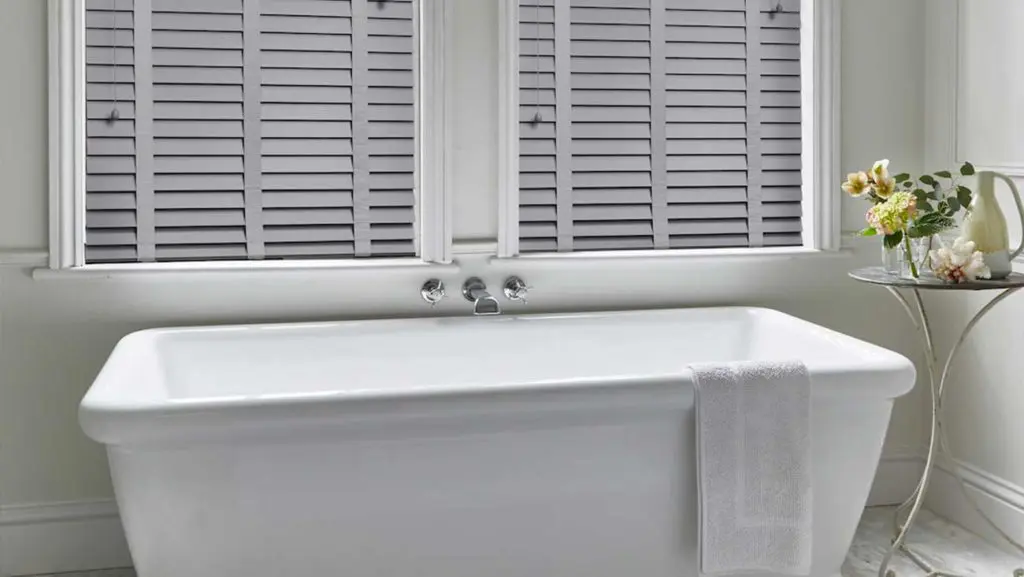
Faux wood: These give you the look of real wood but they’re made from PVC, so they handle humidity without any trouble. They’re a great choice for kitchens and bathrooms where steam and condensation are part of daily life. And honestly, the quality of faux wood has come on so much that most people can’t tell the difference at a glance.
A few things worth knowing about faux wood. The slats don’t take in water, so they stay straight in a steamy room where real wood would start to bow, and you can wipe them down with a damp cloth. Most of the range comes in painted-look finishes, whites, creams, greys and the like, rather than stained wood grain, so it’s at its best when you want the look of a painted timber blind. It’s also heavier than real wood. On a really wide window that makes a difference to how easy the blind is to lift, so we’ll sometimes suggest two blinds instead of one. There’s more on choosing for wet rooms in our guide to blinds for kitchens and bathrooms.
Aluminium: Sleek, modern, and practically indestructible. Aluminium Venetians are moisture-proof, easy to wipe clean, and available in a huge range of colours. We fit a lot of these in kitchens, bathrooms, and offices.
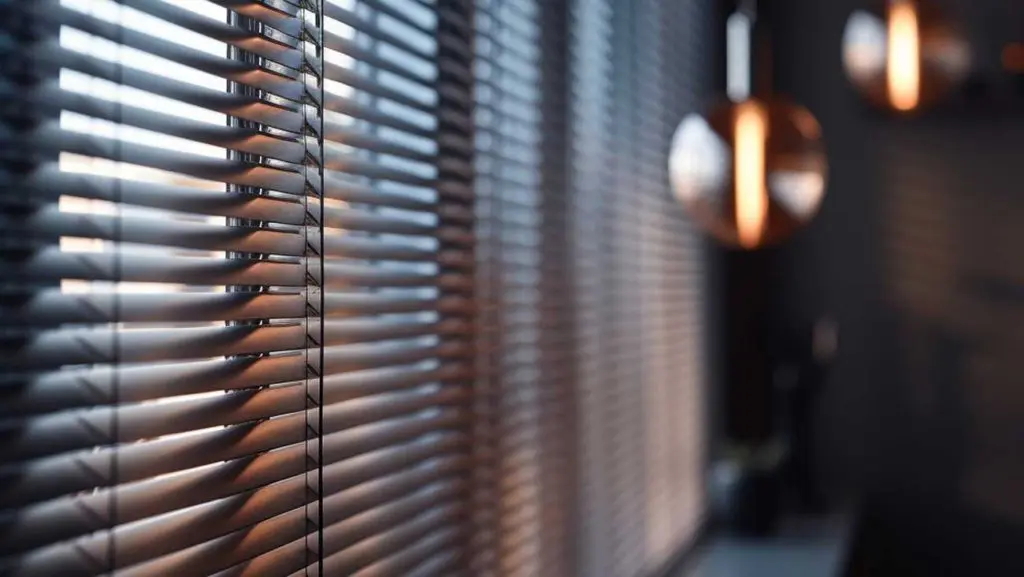
What makes Venetians so good?
Precise light control
This is the big one. With Venetian blinds, you can tilt the slats to exactly the angle you want, fully open for maximum daylight, angled to let light in while blocking the view from outside, or fully closed for complete privacy. No other blind type gives you that level of fine-tuning throughout the day.
Privacy without darkness
A lot of blinds give you an all-or-nothing choice: fully up or fully down. Venetians let you have both. You can angle the slats so nobody can see in, while still getting plenty of natural light into the room. That’s particularly handy in street-facing rooms.
Easy to look after
A quick dust with a cloth or a feather duster every week or two is all they need. For aluminium and faux wood, you can just wipe the slats with a damp cloth if they need a deeper clean.
Energy efficiency
When the slats are closed, Venetians create a layer of trapped air between the blind and the window. It helps a little with heat loss in winter and glare in summer, but don’t buy Venetians for insulation. Honeycomb blinds do that job far better.
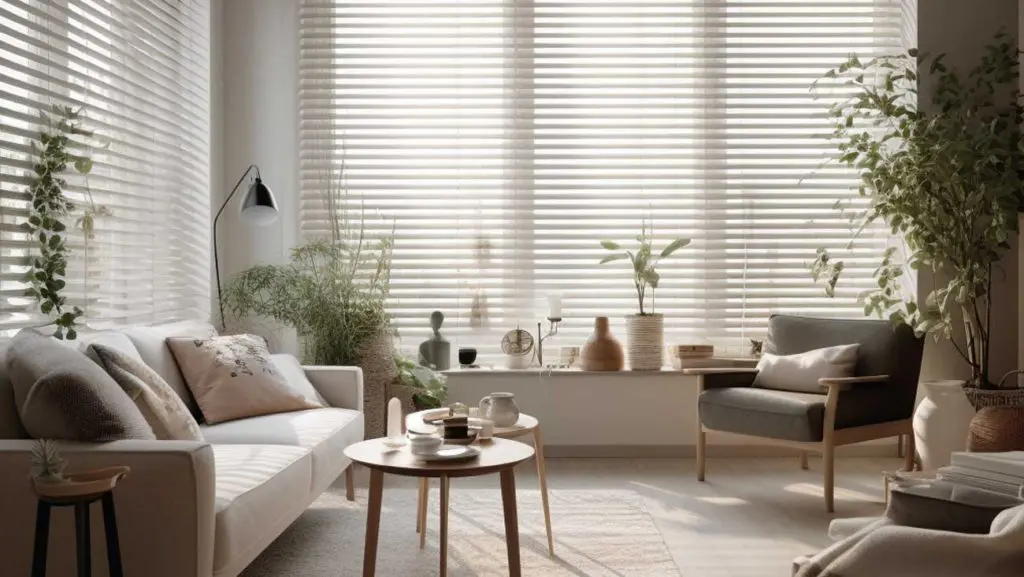
Choosing the right slat size
Venetian blinds come in different slat widths, typically 25mm, 35mm, or 50mm:
- 25mm: The classic size. Works well on standard windows and gives a traditional, detailed look.
- 35mm: A nice middle ground. Slightly more modern feel than the 25mm.
- 50mm: The widest option. These have a more contemporary, statement look and let you see more of the view when the slats are open. Popular in living rooms with larger windows.
What we’re fitting in 2026
Venetians don’t really follow fashion, which is part of why they last, but the colours people pick do change. Brilliant white is still the safe choice, though more people now go for a softer white or a cream that’s kinder to the walls around it. Warm, darker woods are back too. We fitted walnut wooden Venetians with dark cloth tapes this year, and in the right room they look lovely.
Tapes are worth a mention. They’re the fabric strips that run down the front of a wooden Venetian and cover the holes the cords go through. They let a little less light through when the blind is closed, and they give it a more finished, furnished look. They suit a living room or a bedroom more than a kitchen.
In aluminium, the muted colours are popular: greys, stone and soft metallics rather than bright colours. If you can’t decide, we’ll bring samples to your window so you can see them in your own light.
Venetians in your home
They genuinely work in almost any room. In our experience:
- Living rooms: Wooden or faux wood Venetians in a warm finish add real character
- Bedrooms: Great for light control; close the slats fully at night for good privacy
- Kitchens: Aluminium or faux wood handles the heat and moisture
- Bathrooms: Aluminium is the go-to here: waterproof and easy to wipe down
- Home offices: Tilt the slats to reduce screen glare without sitting in the dark
Common questions
Can I get them in any colour? Pretty much. Wood can be stained in a range of shades, and aluminium comes in dozens of colours, from bright whites to deep metallics.
How do I operate them? Most Venetians use a cord to raise and lower them and a wand to tilt the slats. Motorised options are also available if you’d prefer remote control.
Are they child-safe? Corded Venetians need safety devices fitted to comply with UK regulations. We always include these. Wand-operated Venetians are a safer choice for homes with young children, as there are no loops within reach.
If you’d like to see Venetian blind samples in your own home, book a free survey and we’ll bring them to you.