
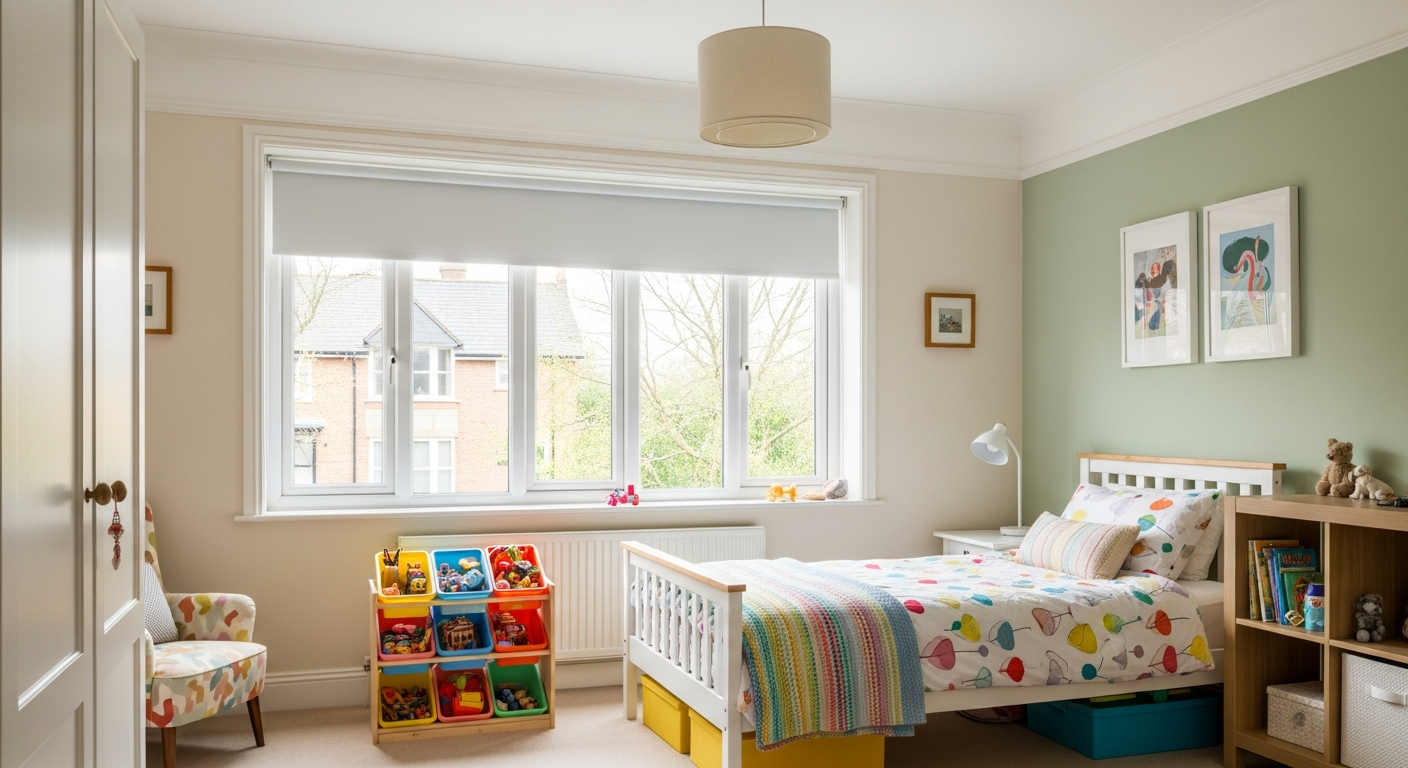
This Is Something We Take Very Seriously
We’re going to be straightforward about this, because it matters. Looped cords and chains on window blinds are a genuine strangulation risk for young children. It’s not a theoretical concern, children have been seriously injured and killed by getting tangled in blind cords in the UK. As a family business, and as parents and grandparents ourselves, this is something the whole team and I feel strongly about.
Every blind we supply meets current child safety regulations. That’s not a selling point we trot out, it’s a baseline. We wouldn’t have it any other way.
The Real Hazard: Looped Cords and Chains
The danger comes from any cord, chain, or loop that hangs freely and forms a circle a child could get their head through. Young children, toddlers especially, are naturally curious and will grab, pull, and play with anything within reach. A looped cord next to a cot, a bed, or a piece of furniture a child can climb on is a serious risk.
It doesn’t take much force. A child’s body weight alone can be enough to tighten a loop, and once it tightens, a small child often can’t free themselves.
What the Regulations Say
The British Blind and Shutter Association (BBSA), of which we’re members, has established clear safety standards that all blinds sold in the UK must meet. The key requirements are:
- Cordless or motorised blinds are the preferred option: Eliminating cords entirely removes the hazard completely
- Where cords or chains do exist, they must be fitted with safety devices as standard
- Breakaway connectors must be used on chain-operated blinds. These snap apart under pressure rather than forming a tightening loop
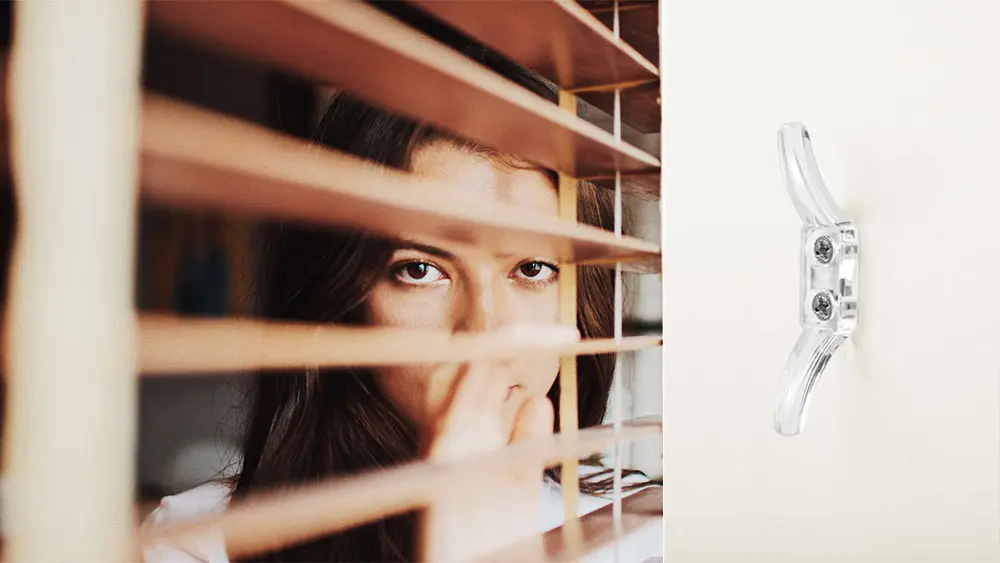
- Cord cleats and tensioners must be supplied and fitted to keep cords taut against the wall, out of a child’s reach
- Clear safety warnings must be provided with every blind
These aren’t optional extras. They’re mandatory, and any reputable blind supplier should be fitting them as standard.
The Safest Options for Homes with Young Children
Cordless Blinds
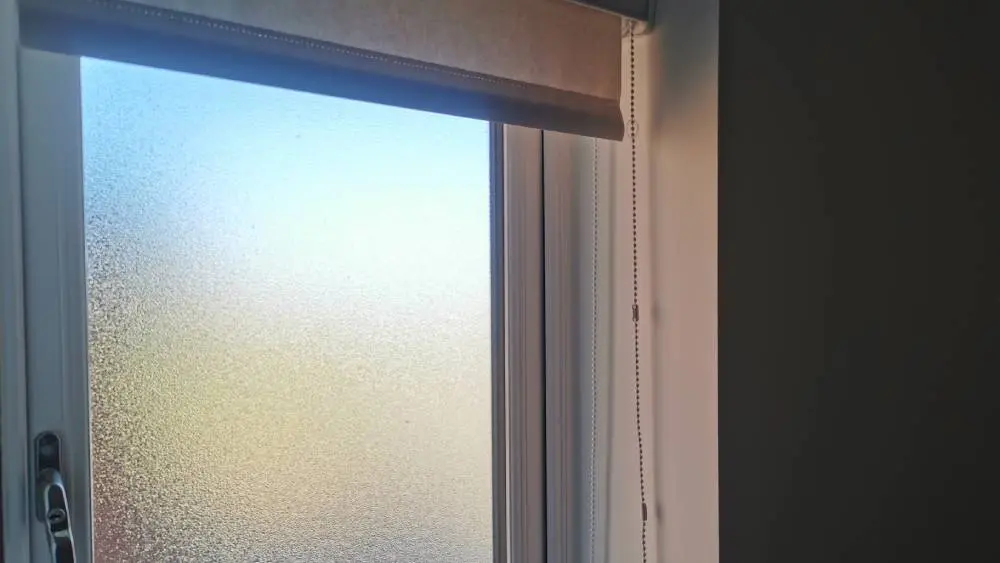
No cord means no risk. It’s as simple as that. Cordless roller blinds use a spring mechanism. You simply pull the blind down and it stays put, then give it a gentle tug to release it back up. No chains, no cords, nothing dangling.
Motorised Blinds
Operated by remote control or a smart home system, motorised blinds have no manual operating cords at all. They’re the ultimate in both safety and convenience, and the technology has become much more affordable in recent years.
Perfect Fit Blinds
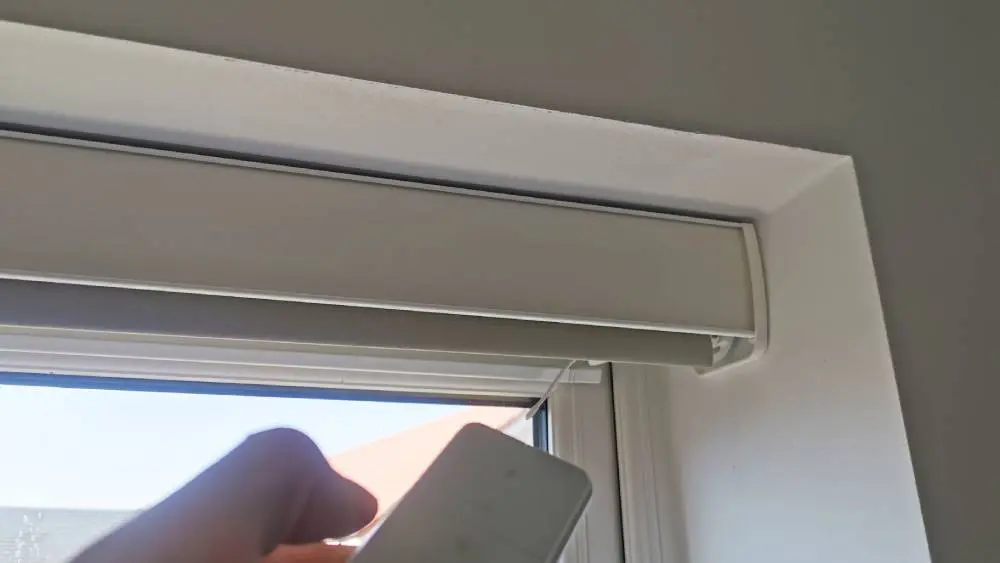
These are inherently child-safe because they clip directly into the window frame and operate without any cords or chains. They’re one of our most popular recommendations for families with young children, particularly in bedrooms and nurseries. The blind is completely self-contained within the frame, there’s simply nothing for a child to grab or get tangled in.
Wand-Operated Venetian Blinds
For Venetian blinds, a rigid wand control is much safer than a traditional cord. The wand tilts the slats and can’t form a loop. It’s a straightforward swap that makes a real difference.
Making Your Existing Blinds Safer
If you’ve got older blinds in your home, you don’t necessarily need to replace them all immediately, though if they’re in a child’s bedroom, we’d strongly recommend it. For other rooms, there are practical steps you can take right now:
- Fit cord cleats: These are small hooks that you wrap the cord around, keeping it taut against the wall and well out of reach. They should be fitted at least 1.5 metres from the floor
- Install chain tensioners: For chain-operated blinds, a tensioner holds the chain taut against the wall so it can’t form a loop
- Check breakaway connectors: If your chain-operated blind has a connector joining the chain into a loop, make sure it’s a breakaway type that separates under pressure. If it isn’t, get it replaced
- Move furniture away from windows: Children climb. If there’s a cot, bed, chair, or chest of drawers near a window with corded blinds, move it or replace the blind
- Cut looped cords: If a pull cord forms a loop, cut it so it becomes two separate cords. This alone removes the strangulation risk
What We Do
When we visit your home for a survey, we’ll always discuss child safety if you have young children or grandchildren who visit. We’ll recommend the safest options for each room and explain your choices honestly.
If you’ve got existing blinds you’re worried about, we’re happy to take a look and advise on what can be made safer and what really should be replaced. There’s no charge for the advice, it’s too important to put a price on.
We keep up to date with all BBSA guidelines and regulations, and I’m genuinely passionate about getting this right. It’s one of those areas where cutting corners simply isn’t an option.
Give us a call or drop us a message if you’d like advice on child safety and your window blinds. We’d rather you asked and didn’t need to worry than stayed uncertain.